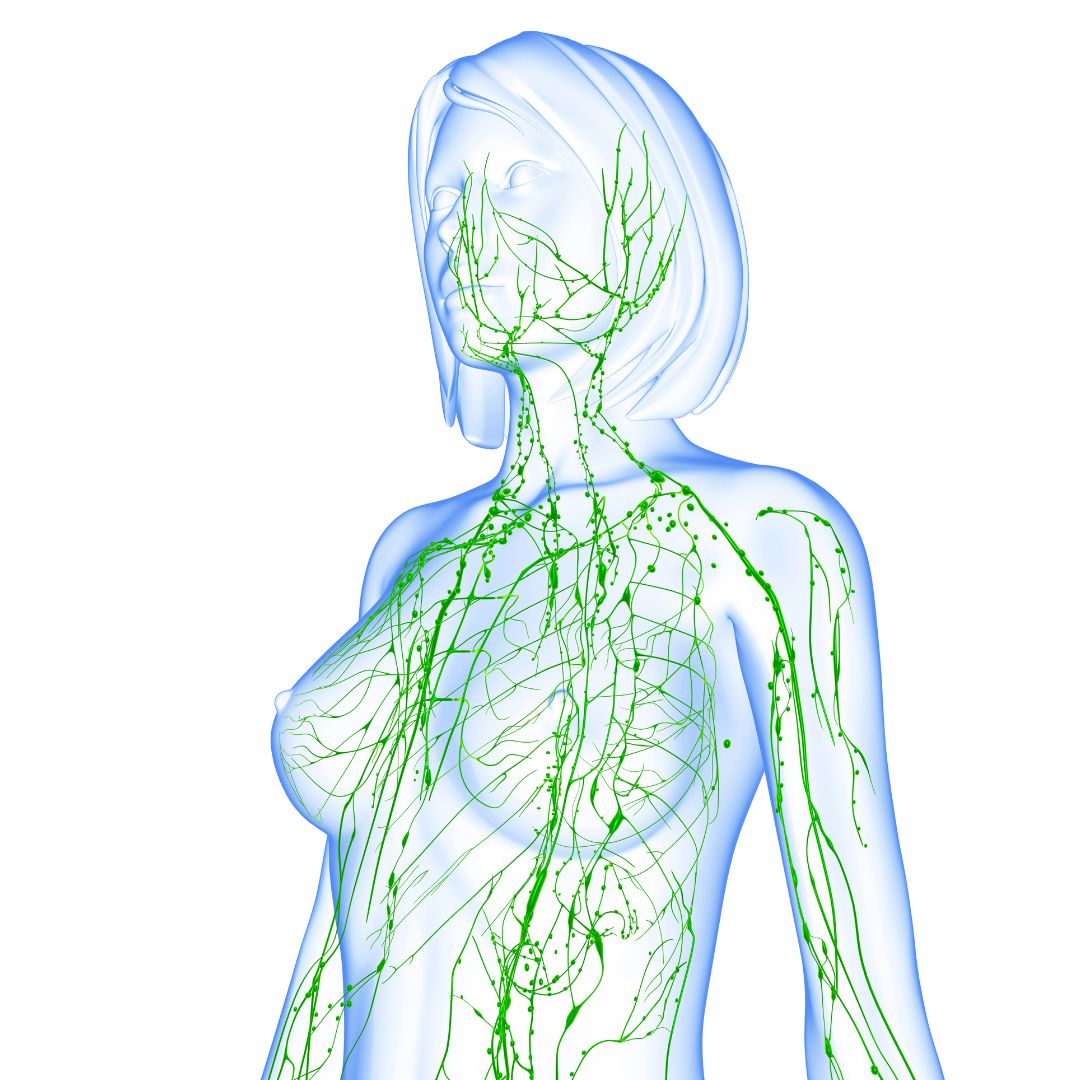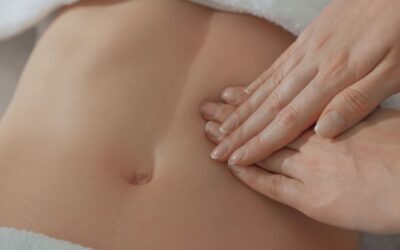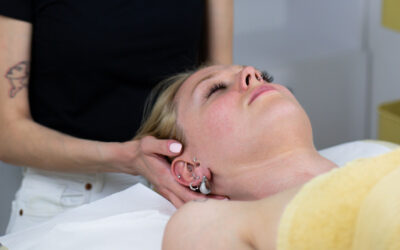



Have you ever encountered the term “”lymphatic drainage“? It is a specific therapy used to stimulate the optimal functioning of the lymphatic system through gentle, targeted movements. Although it has many health benefits, there are still misconceptions that can discourage those who want to try this therapy. For successful treatment of manual lymphatic drainage It is important to implement it. an Educated Physiotherapist with knowledge of the anatomy of the lymphatic system and its function.
Through this text, I want to clarify a few of the most common myths related to lymphatic drainage, based on expert information that can help in understanding its real role.
Myth 1: Lymphatic drainage is painful
One of the most common misconceptions about lymphatic drainage is that it is a painful procedure. Even though Other types of massages often associated with the application of intense pressure that can cause discomfort, lymphatic drainage is based on gentle, rhythmic movements that stimulate the lymphatic system. This technique aims to improve the flow of lymph (liquid that removes waste from the body) and is not painful. On the contrary, most people report a feeling of deep relaxation and reduced stress after treatment.
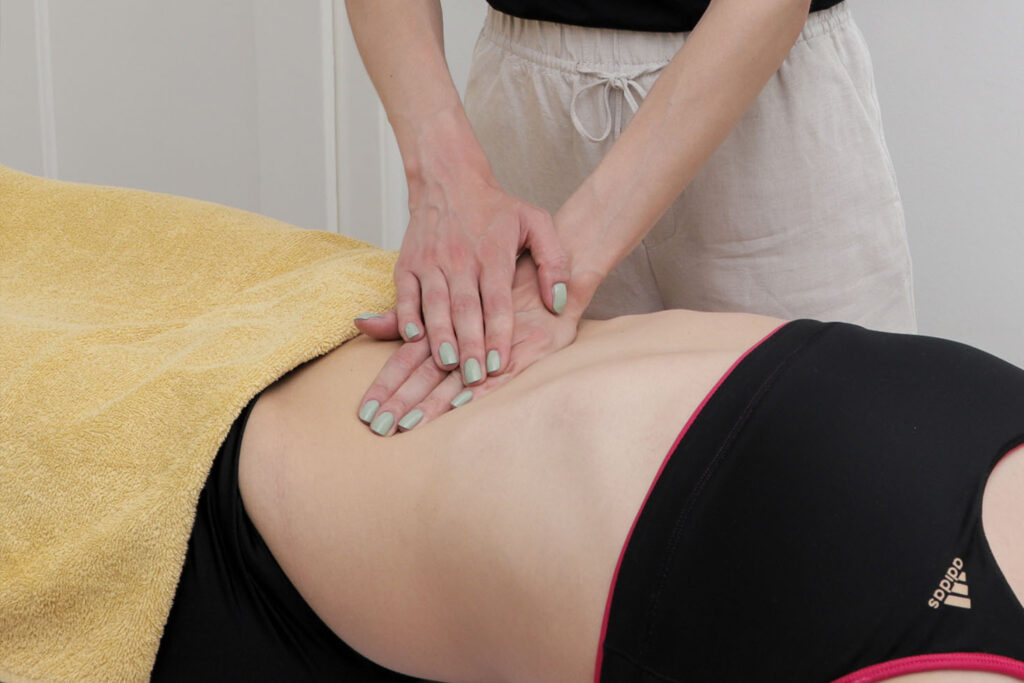
Myth 2: Lymphatic drainage is a purely cosmetic treatment
Although lymphatic drainage can also be carried out for cosmetic purposes, its basic application is in the framework of a health service. Lymphatic drainage significantly speeds up recovery from injuries and operations, reduces swelling, acts on the vegetative nervous system and supports the immune system. As one of the main components, lymphatic drainage is an indispensable part of Complete decongestive physiotherapy of lymphedema. Its therapeutic benefits extend far beyond the cosmetic aspect.
Myth 3: Only the problem area is treated
At the first treatment, clients often think that we will treat exclusively the affected area, i.e. local edema or swelling. In reality, manual lymphatic drainage involves the whole organism and is based on the principle of stimulation of the overall lymphatic system, not just individual regions. Although treatment may focus on specific areas that require attention (e.g. swollen feet or hands), successful treatment involves the preparation of the lymphatic system in other parts of the body to allow the undisturbed flow of lymph. The goal of manual lymphatic drainage is not only to reduce swelling in the affected area, but also to improve the general lymphatic circulation and the function of the whole organism.
Myth 4: The effects of lymphatic drainage are short-term
One of the common myths associated with lymphatic drainage is that its effects are temporary. Although many feel relief and reduction of swelling immediately after treatment, the actual effects of this treatment are long-term and cumulative. Continuous application of lymphatic drainage ensures optimal functioning of the lymphatic system, which contributes to better detoxification of the body, strengthening the immune response and speeding up the recovery process after injuries or surgical procedures. In addition, regular treatments help reduce fluid retention, stimulate microcirculation and improve skin tone, thus achieving significant health and aesthetic results in the long term. Taking into account the cumulative effect, lymphatic drainage represents an investment in long-term health.
Your journey to optimal health begins here. Book your appointment to experience all the benefits of lymphatic drainage and improve your health.